News
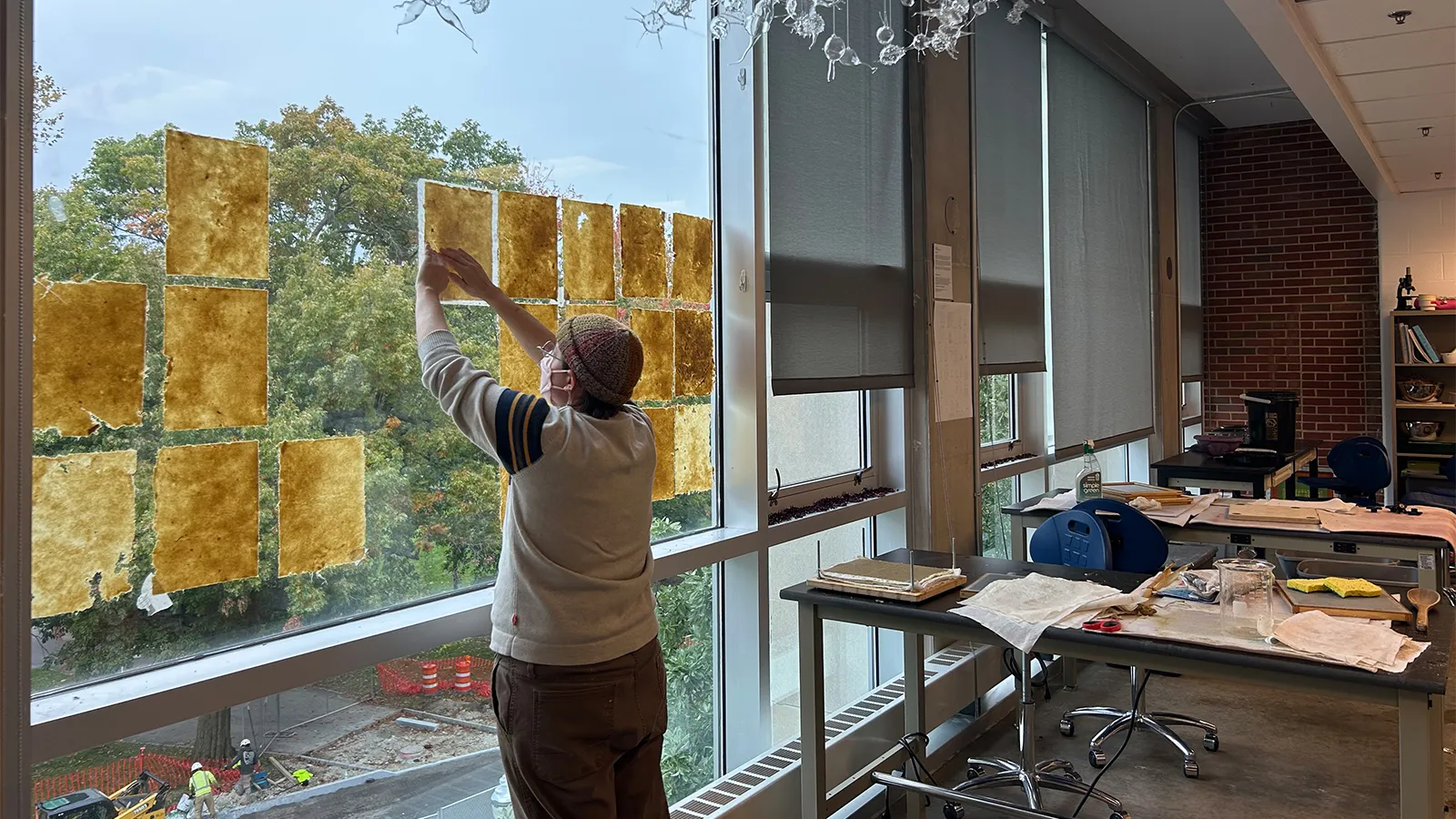
Inside a lab space tucked away within Hopkins Hall, students and faculty in the College of Arts and Sciences are finding community among plants, paint and other projects focused on supporting the…

Estelle Apewokin and Matthew Wolfe, students at The Ohio State University who are majoring in science-related fields and are also studying French, say they gained valuable academic and work…

Horses know a predator when they see one – even if it’s only on a video screen they’re watching in a stall, with no sounds, smells or previous experience providing context to what they’re viewing,…
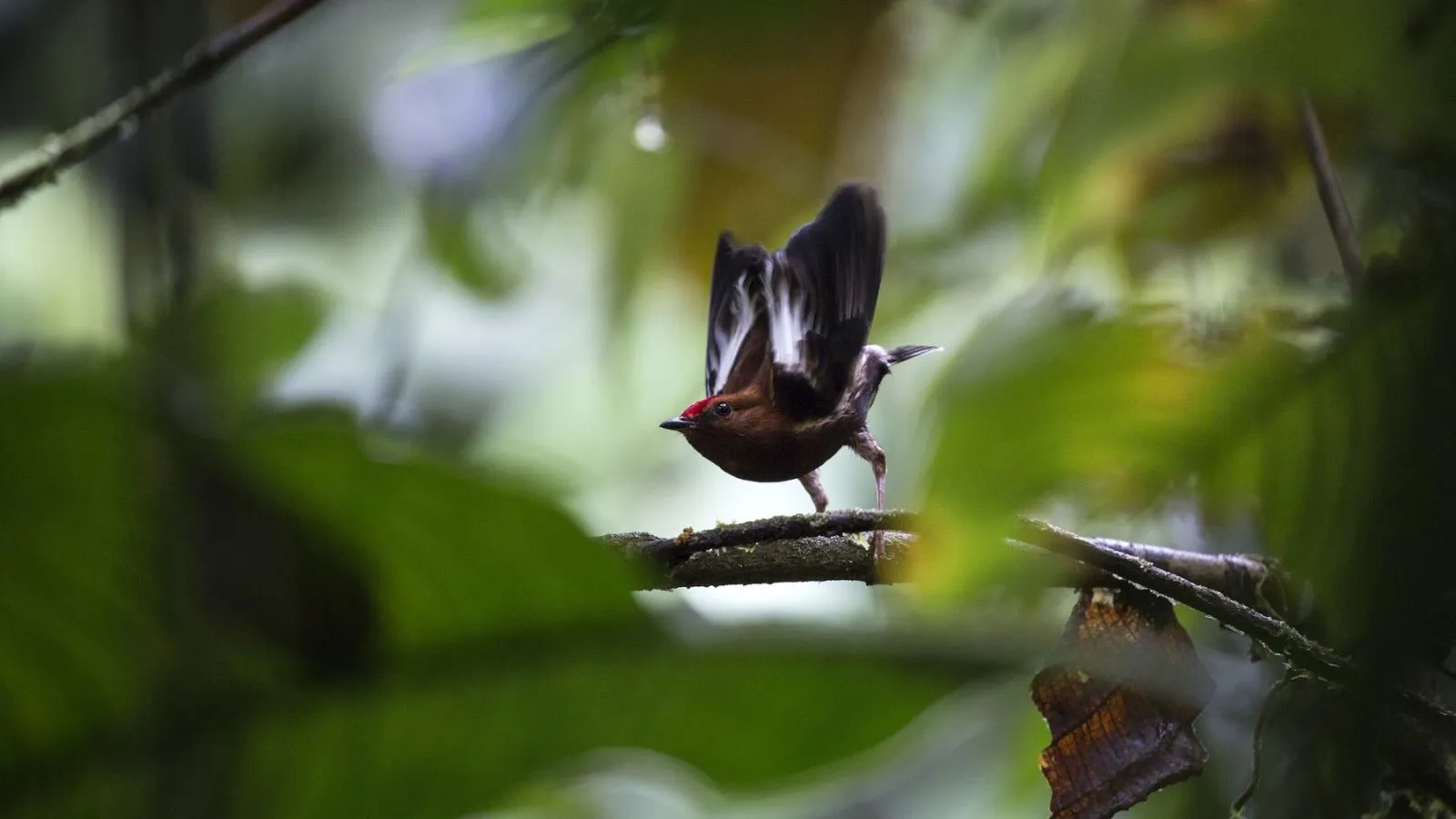
Within every muscle of every living species with a backbone, a protein called myosin tugs on a partner protein to generate a muscle contraction. This function, discovered in mammals a century ago,…
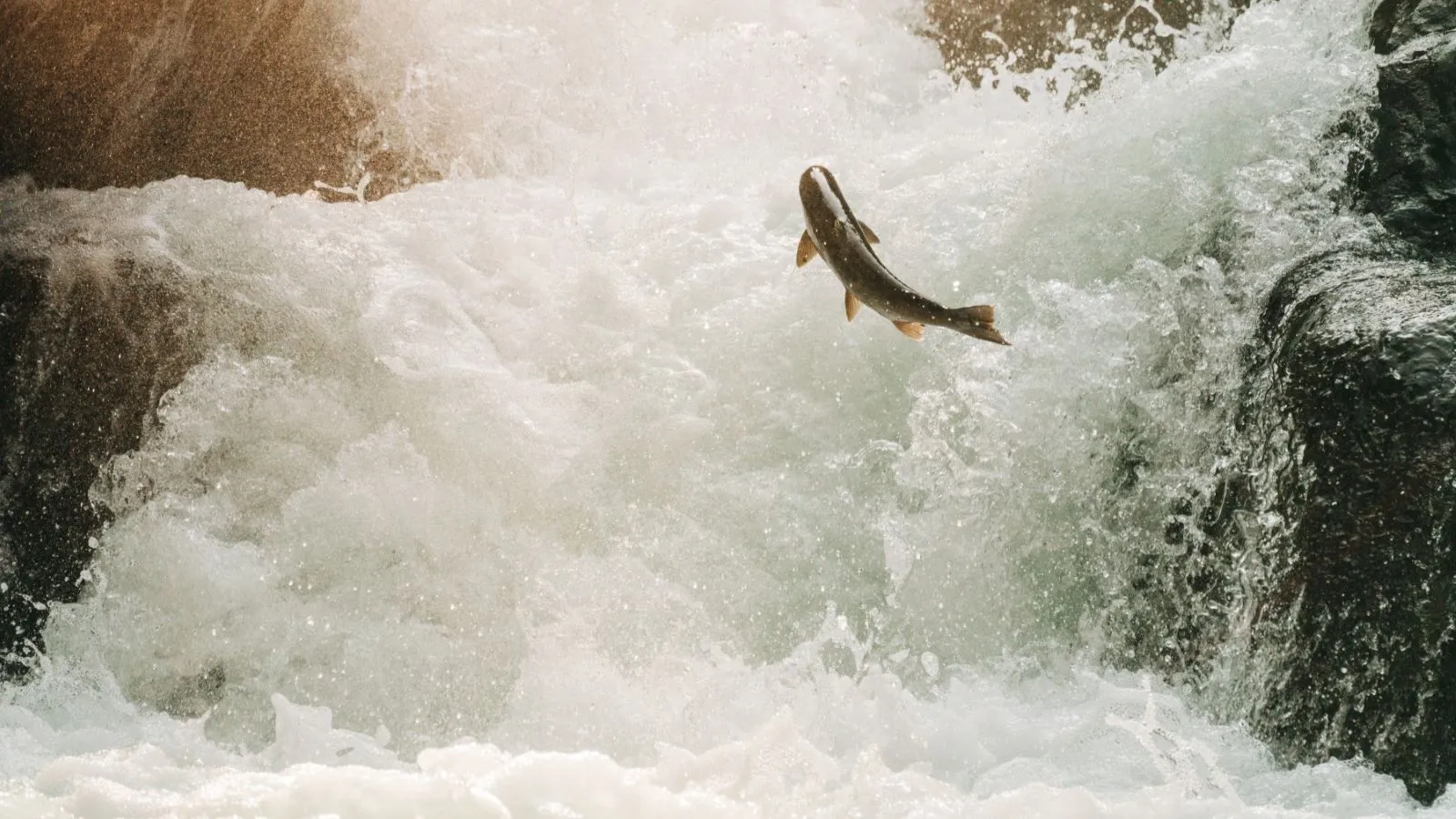
Long-term conservation policies may help restore freshwater ecosystems and prevent extreme species loss, new research suggests.
As emerging threats such as warming…
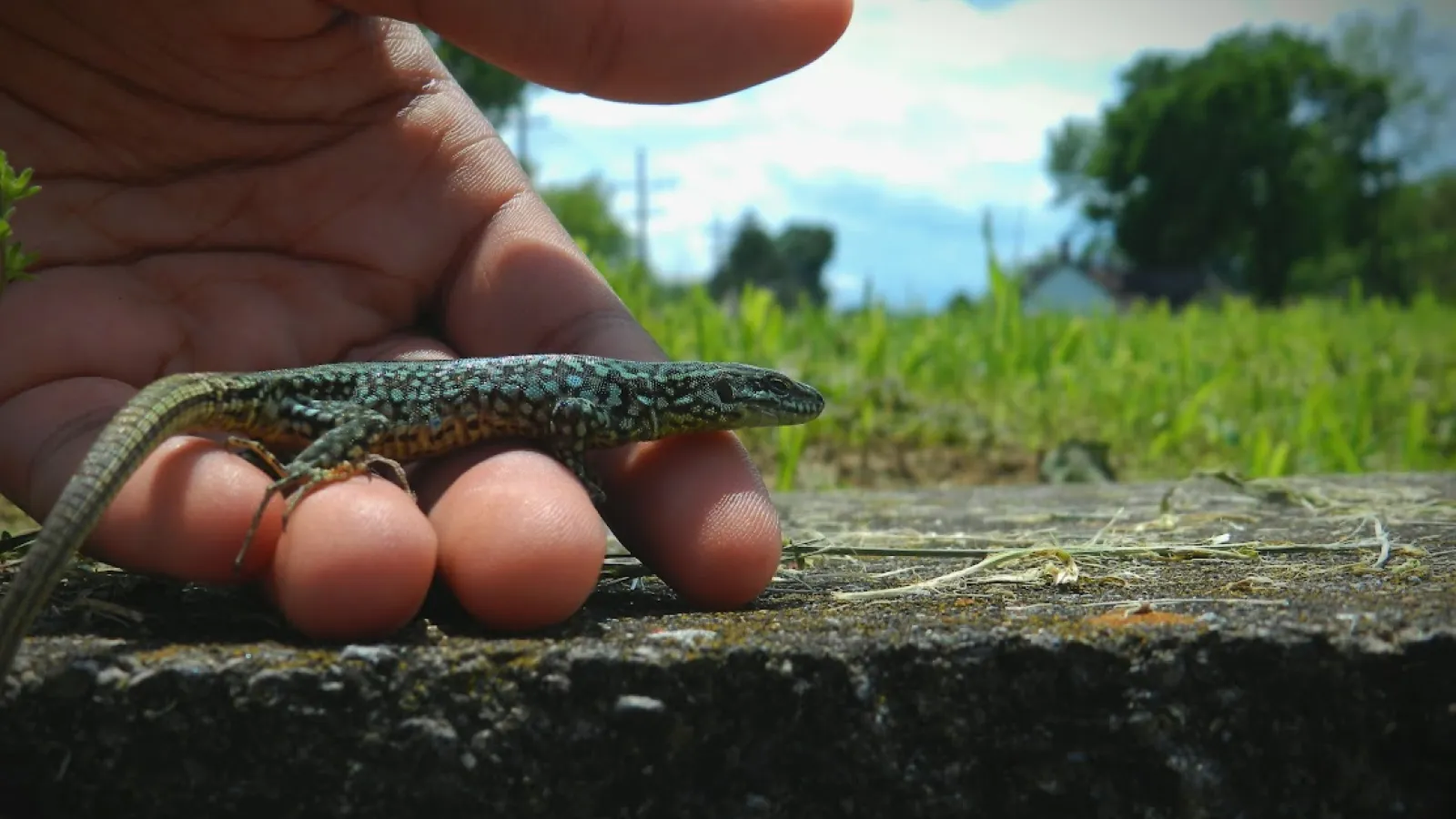
Non-native wall lizards living in Cincinnati, Ohio, have thrived against the odds thanks to an ability to expand their population more quickly than any inbreeding-amplified harmful genes could…

For young professional Rachael Finigan, a year with the Sea Grant Knauss Marine Policy Fellowship in Washington, D.C. helped solidify her career goal: to translate science to the…
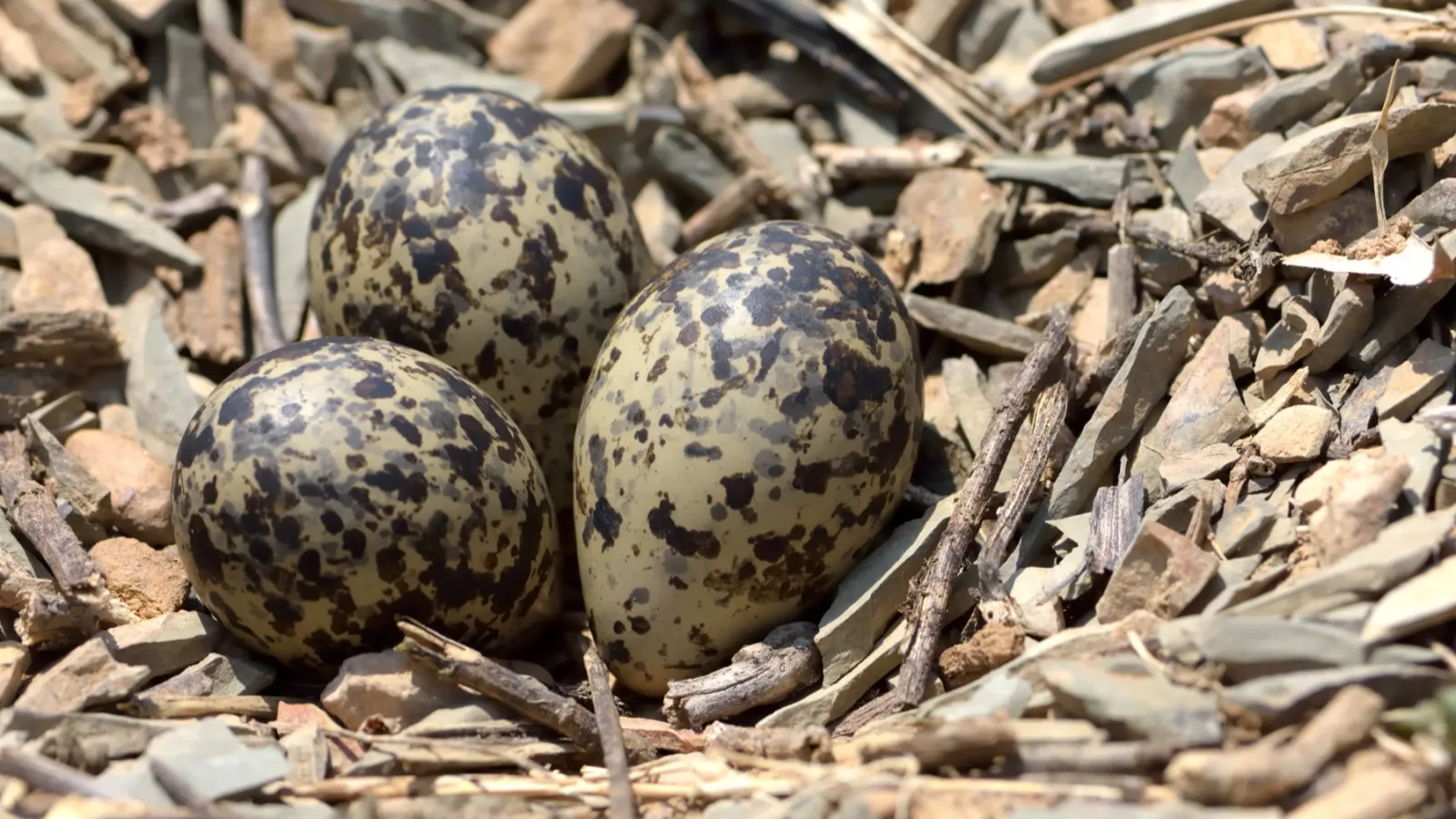
Baby dinosaurs were likely fed more nutritious food than their adult counterparts, a finding that could offer insights into their social evolution, suggests a new study.
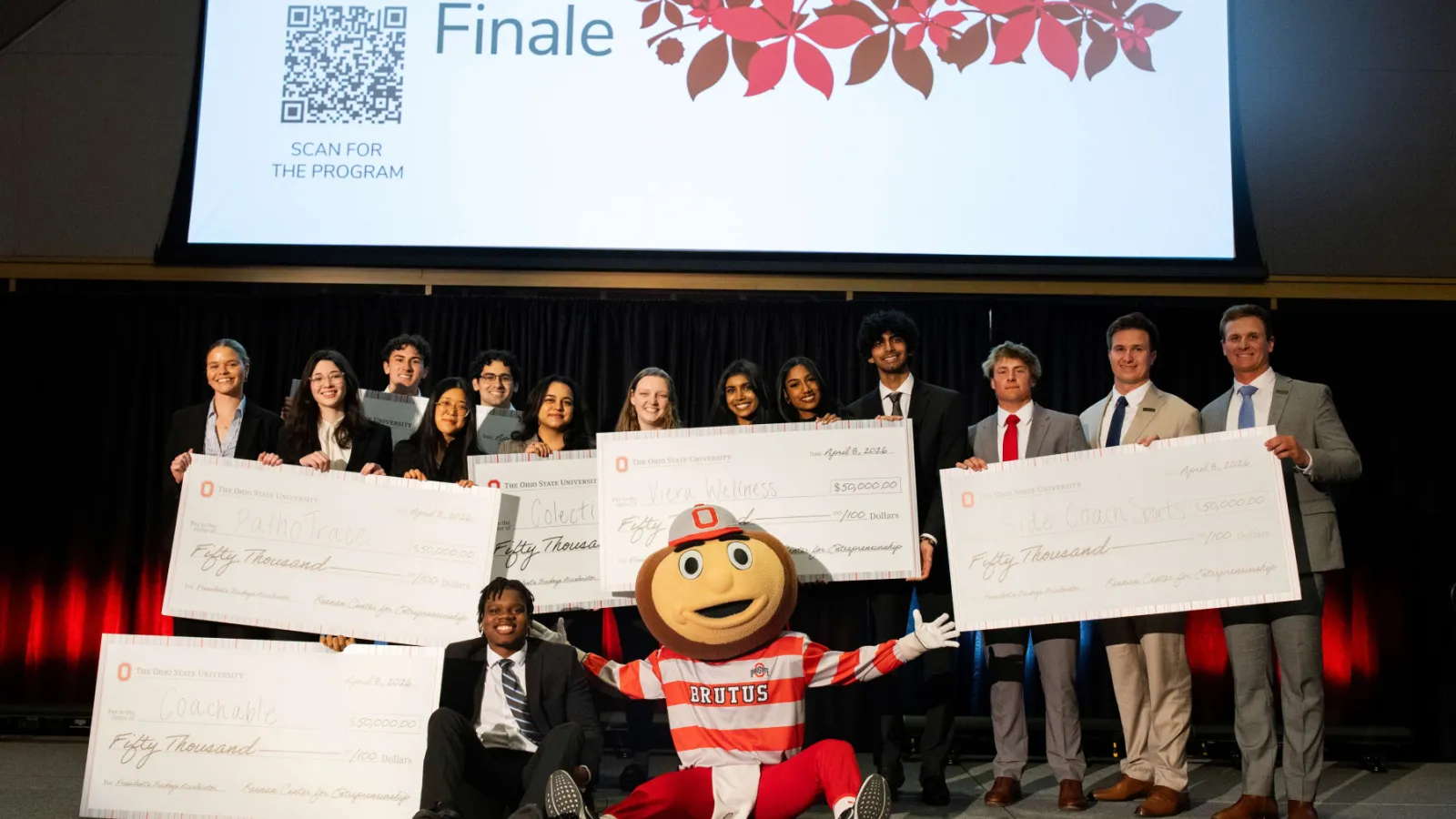
Six student-led startups, including a team of neuroscience majors, were each awarded $50,000 in funding at The Ohio State University’s 2026 President’s Buckeye Accelerator (PBA) finale, led by the…