News

Young umbrella acacia trees in Africa survive severe drought by putting their natural processes into overdrive when water is in short supply, prioritizing continued growth over water conservation,…

Researchers have made a significant advance toward the goal of using bacteria – rather than fossil fuels – to produce ethylene, a key chemical in the production of many plastics.
In a new…
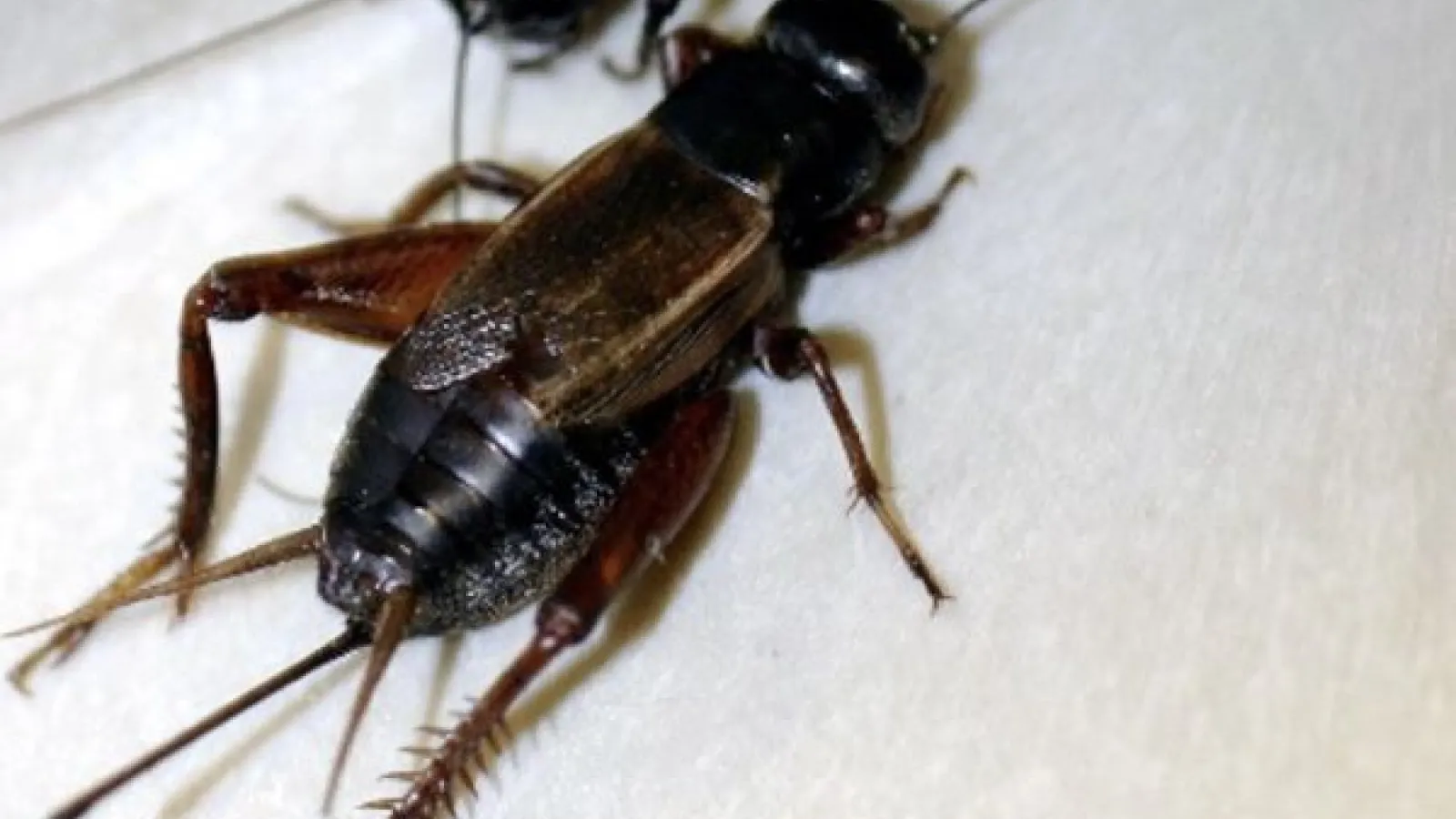
A lab study in crickets has revealed sex differences in how the insects direct their nutritional resources to increase chances of generating offspring, finding that females prepare for producing…

Matthew Sullivan, a professor in the Department of Microbiology and director of the Center of Microbiome Science, is the recipient of the 2026 Award for Environmental Research…
As the 2025-2026 school year begins, the College of Arts and Sciences would like to welcome its new and returning department chairs, school directors and institute directors. These college leaders…

As coral reefs decline at unprecedented rates, new research has revealed that some coral species may be more resilient to warming temperatures than others.
By studying…
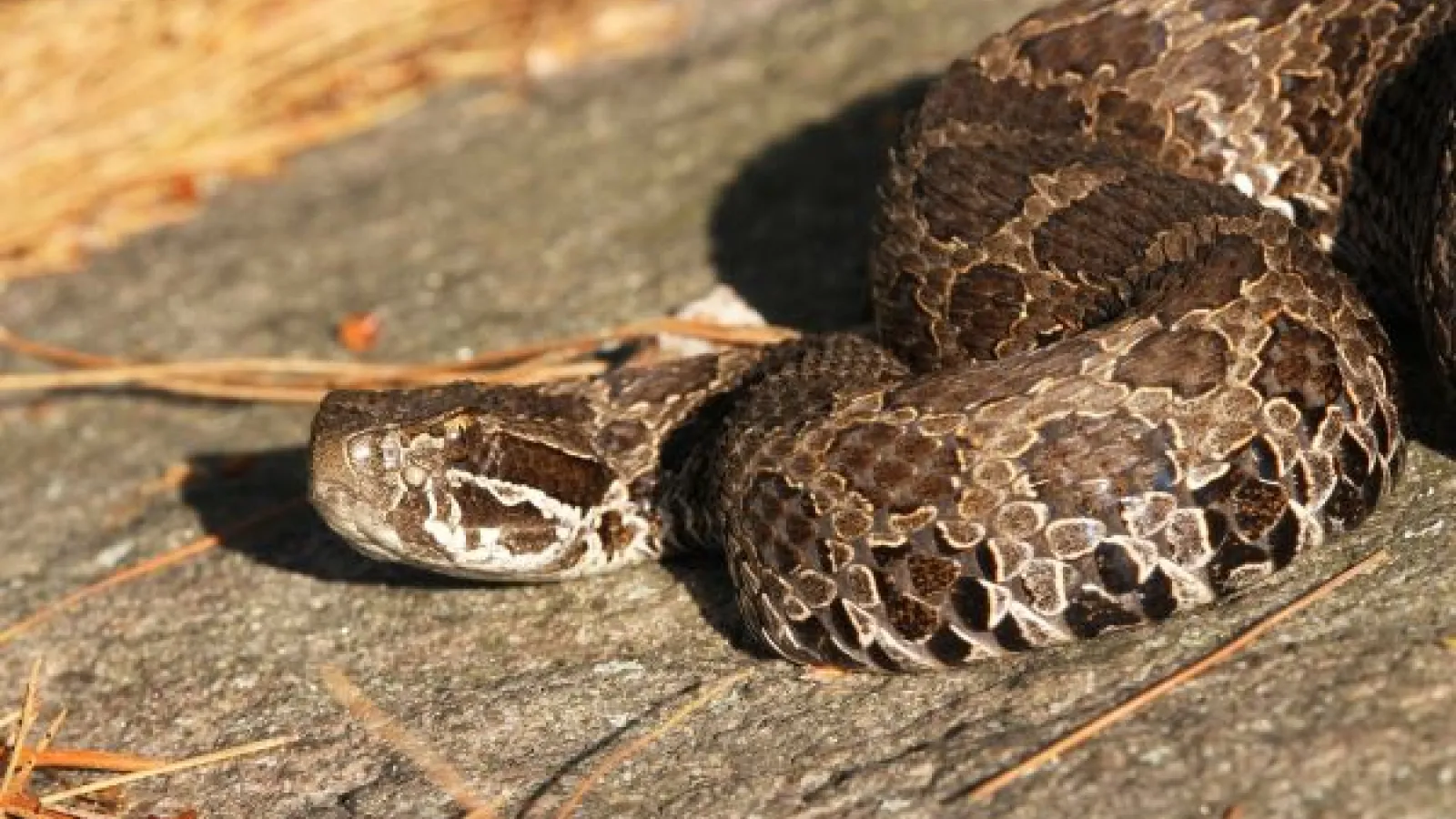
The established conservation practice of relocating animals from large, genetically diverse populations to small communities of inbred endangered species may risk introducing more damaging than…

Coral restoration efforts could be dramatically improved with technologies that support the survival and growth of baby corals, suggests a new study.
Findings showed…
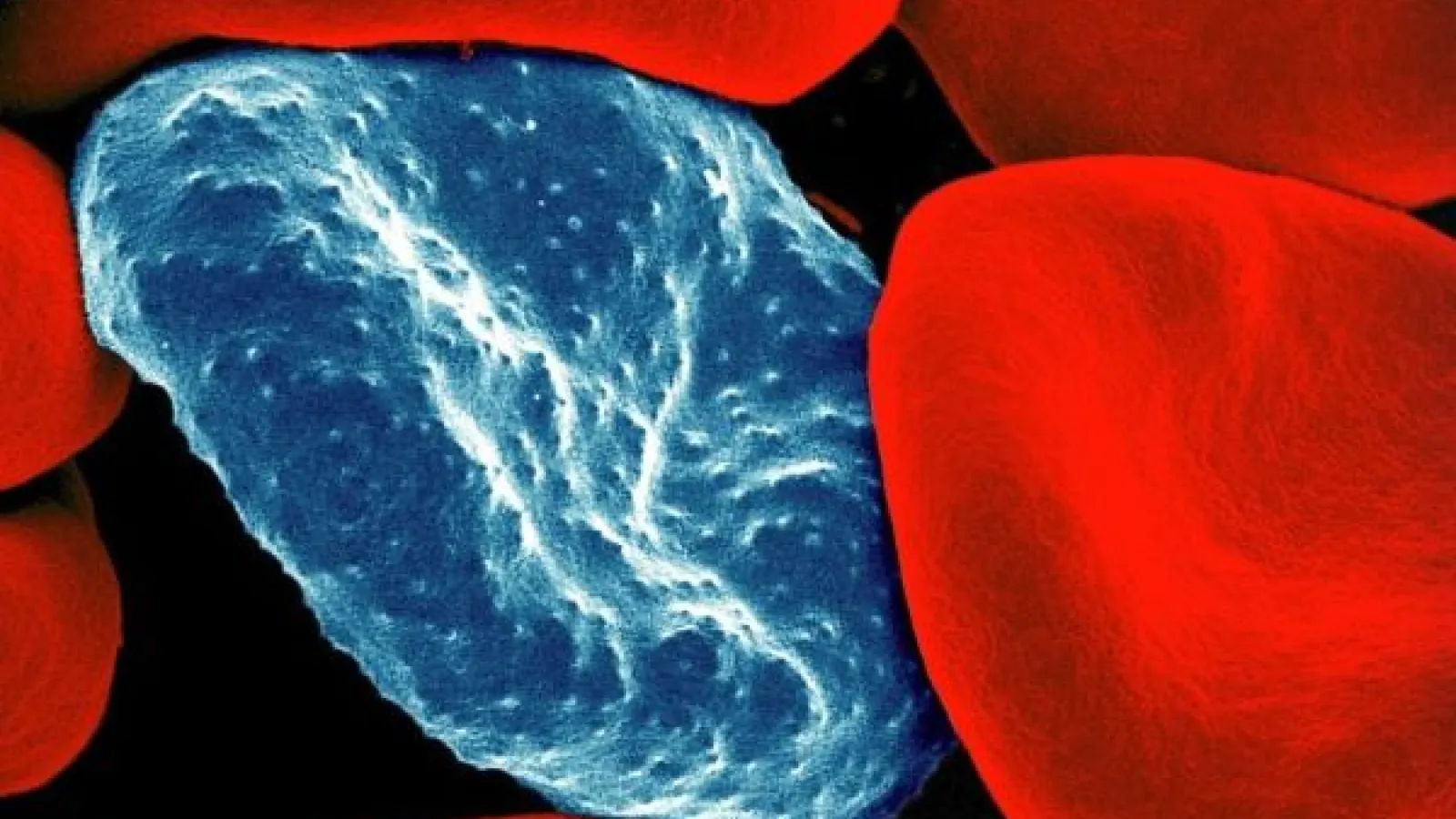
Devices made with cheap strips of paper have outperformed two other testing methods in detecting malaria infection in asymptomatic people in Ghana – a diagnostic advance that could accelerate…